
What Does the Lumbar Spine Do? A Patient Guide to Its Function and Importance
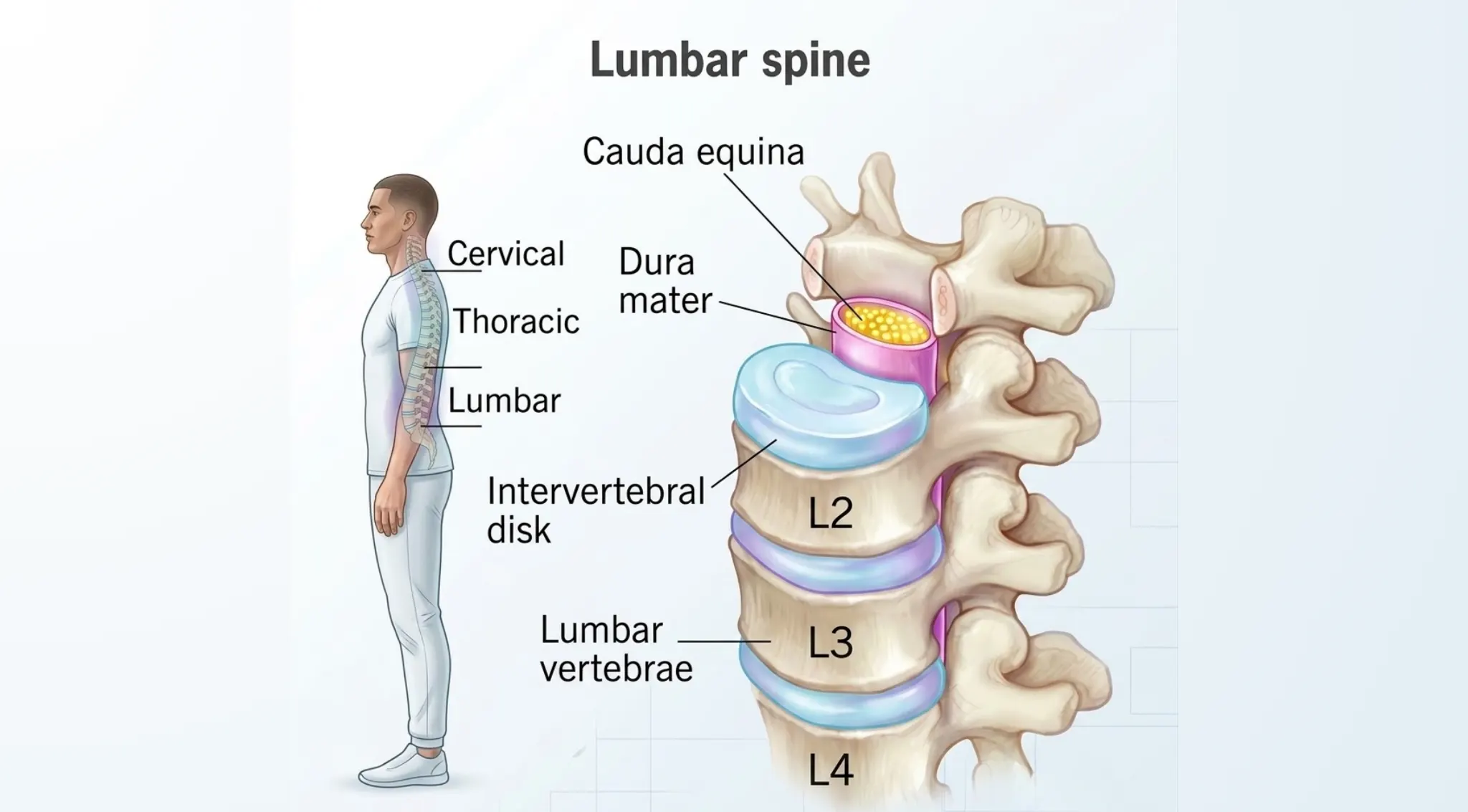

If you’ve ever experienced lower back pain, you may have wondered what exactly the lumbar spine does and why it’s so important. The lumbar spine forms the lower part of your back and plays a central role in everyday movements such as sitting, standing, walking, and lifting.
Understanding how this part of the spine works can help you make sense of symptoms, reduce the risk of injury, and know when to seek medical advice. This guide explains the function of the lumbar spine in a clear, evidence-based way, in line with UK clinical standards.
What Is the Lumbar Spine?
The spine (backbone) is made up of a series of bones called vertebrae, stacked one on top of the other. The lumbar spine refers specifically to the lower portion of the spine, typically consisting of five vertebrae (L1 to L5).
Between these vertebrae are intervertebral discs, which act as shock absorbers. Surrounding muscles, ligaments, and nerves all work together to support movement and stability.
What Does the Lumbar Spine Do?
The lumbar spine has several essential functions:
1. Supports Body Weight: The lumbar spine carries most of the body’s weight, particularly when standing or sitting. It is designed to be strong and stable to safely manage this load.
2. Enables Movement:
It allows a wide range of movements, including:
- Bending forward (flexion)
- Leaning backward (extension)
- Side bending and slight rotation
These movements are essential for daily activities such as tying shoelaces, lifting objects, or getting out of a chair.
3. Protects Nerves: The spinal cord ends just above the lumbar spine, but important nerve roots continue downward through this region. These nerves control sensation and movement in the legs, bladder, and bowel.
4. Absorbs Shock: The discs between the vertebrae act as cushions, absorbing impact during walking, running, or lifting.
5. Maintains Posture: The lumbar spine plays a key role in maintaining an upright posture and balancing the body during movement.
Common Problems Affecting the Lumbar Spine
Because of its role in weight-bearing and movement, the lumbar spine is prone to wear and injury. Common conditions include:
- Muscle or ligament strain (often due to lifting or sudden movement)
- Degenerative disc disease (age-related changes in the discs)
- Slipped (herniated) disc
- Spinal stenosis (narrowing of the spinal canal)
- Sciatica (nerve pain radiating down the leg)
These conditions can affect how well the lumbar spine performs its normal functions.
Causes and Risk Factors
Several factors may increase the likelihood of lumbar spine problems:
- Age-related wear and tear
- Poor posture or prolonged sitting
- Heavy lifting or repetitive strain
- Lack of physical activity
- Excess body weight
- Previous back injury
- Smoking (which may affect disc health)
Symptoms to Be Aware Of
Symptoms can vary depending on the underlying issue but may include:
- Lower back pain or stiffness
- Pain radiating into the buttocks or legs
- Numbness or tingling in the legs
- Muscle weakness
- Reduced flexibility or mobility
Red Flags Requiring Urgent Medical Attention
Seek urgent medical care if you experience:
- Loss of bladder or bowel control
- Numbness around the genitals or buttocks (saddle anaesthesia)
- Severe or worsening weakness in the legs
- Unexplained weight loss with back pain
- Fever with back pain
These symptoms may indicate a more serious condition requiring immediate assessment.
How Are Lumbar Spine Problems Diagnosed?
A clinician will usually begin with:
- A detailed medical history
- A physical examination (including movement and nerve testing)
If needed, further investigations may include:
- MRI scan – to assess discs, nerves, and soft tissues
- CT scan or X-ray – to evaluate bone structure
- Blood tests (in specific situations)
Not all patients require imaging; decisions are made based on symptoms and clinical findings.
Treatment Options
1. Conservative (Non-Surgical) Management
Most lumbar spine problems improve without surgery.
Options may include:
Activity modification (staying active but avoiding strain)
Physiotherapy to improve strength and flexibility
Pain relief medication (as advised by a GP or pharmacist)
Posture and ergonomic advice
2. Interventional Treatments
If symptoms persist, some patients may benefit from:
Spinal injections (such as nerve root or epidural injections)
These aim to reduce inflammation and relieve pain, though results can vary.
3. Surgical Options
Surgery may be considered when:
Symptoms are severe or persistent despite conservative care
There is significant nerve compression
There are neurological deficits (e.g., weakness)
Procedures may include discectomy, decompression, or spinal fusion, depending on the condition. A spinal specialist will discuss the potential benefits and risks in detail
Risks and Expected Outcomes
Most people with lower back problems improve over time, particularly with conservative treatment.
However:
- Recovery time can vary
- Some symptoms may persist or recur
- Interventions, including surgery, carry risks such as infection, bleeding, or nerve injury
Treatment decisions are made on an individual basis, considering the severity of symptoms and overall health.
Prevention and Self-Care
You can support your lumbar spine health by:
- Maintaining good posture when sitting and standing
- Staying physically active (e.g., walking, swimming, core exercises)
- Using proper lifting techniques
- Managing body weight
- Avoiding prolonged sitting where possible
- Stopping smoking
When to Seek Medical Advice
You should consider seeking medical advice if:
- Back pain persists for more than a few weeks
- Pain interferes with daily activities or sleep
- Symptoms are worsening rather than improving
- You experience tingling, numbness, or weakness
Key Takeaway
The lumbar spine is a vital part of the body, responsible for supporting weight, enabling movement, and protecting important nerves. Because it is heavily used in everyday life, it is also a common source of discomfort and injury.
Understanding its role can help you recognise symptoms early, take preventive steps, and seek appropriate care when needed. Most lumbar spine conditions can be managed effectively with the right combination of advice, therapy, and where necessary specialist treatment.
Appointments
📧 contactspinecare.uk@gmail.com
📞 07771112322