
Sleeping when suffering from sciatica
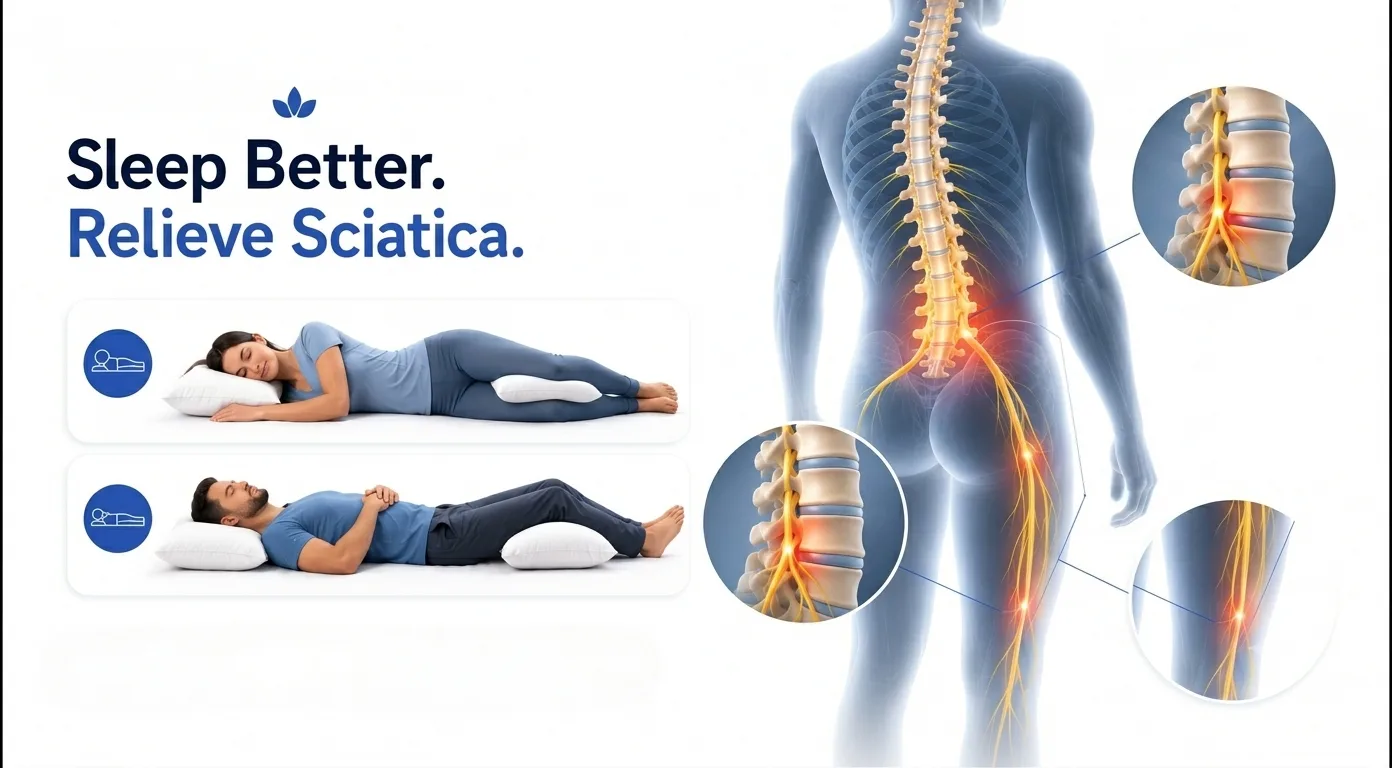

Sciatica can affect far more than daytime activity.
For many individuals, symptoms become particularly frustrating at night — making it difficult to find a comfortable position, fall asleep, or remain asleep for long periods.
Poor sleep may then contribute to increased fatigue, reduced well-being, and slower overall recovery.
A common question many patients ask is:
“How should I sleep when suffering from sciatica?”
While there is no single ‘perfect’ sleeping position for everyone, certain approaches may help reduce pressure on irritated nerves and improve comfort.
Why Does Sciatica Feel Worse at Night?
Sciatica symptoms may sometimes feel worse at night because the body remains in one position for long periods. Certain sleeping positions can place additional pressure on the lower spine, pelvis, or irritated nerves.
Other factors that may contribute include:
- Muscle stiffness
- Poor mattress support
- Inflammation
- Spinal posture during sleep
- Reduced movement overnight
Finding the best sleeping position for sciatica may help improve spinal alignment and reduce pressure on sensitive nerves.
Side Sleeping With a Pillow Between the Knees
Many people consider side sleeping with a pillow between the knees the best sleeping position for sciatica because it may help keep the spine, pelvis, and hips aligned.
How to do it:
Lie on your side comfortably.
Place a pillow between your knees.
Keep your spine in a neutral position.
Avoid twisting your hips forward.
Potential benefits:
May reduce pressure on the lower back
Helps support pelvic alignment
May improve comfort during sleep
A supportive pillow may also help reduce strain on the hips and lower spine.
Sleeping on Your Back With a Pillow Under the Knees
Sleeping on the back with a pillow under the knees is another commonly recommended sleeping posture.
This position may help:
- Reduce pressure on the lumbar spine
- Support the natural spinal curve
- Relax lower back muscles
How to do it:
- Lie flat on your back.
- Place a pillow beneath your knees.
- Keep your neck supported with a comfortable pillow.
Some people find this the best sleeping position for sciatica because it may reduce lower back tension overnight.
Sleeping Positions to Avoid With Sciatica
Certain sleeping positions may place extra stress on the lower back or sciatic nerve.
Stomach Sleeping
Sleeping on the stomach may:
Increase lower back strain
Force the spine into extension
Increase neck strain
This position is often less comfortable for people with sciatica.
Twisted Sleeping Positions
Twisting the spine or pelvis during sleep may aggravate nerve irritation and muscle tension.
Maintaining neutral spinal alignment is usually more comfortable.
Can a Mattress Affect Sciatica Pain?
Mattress comfort is highly individual.
A mattress that is too soft may allow the spine to sink into awkward positions, while a mattress that is too firm may create pressure points.
Many people prefer a medium-firm mattress.
A supportive mattress may help:
Improve spinal alignment
Reduce pressure points
Improve comfort during sleep
Can Pillows Help Sciatica Pain?
Pillows can help support different parts of the body and improve posture during sleep.
Examples include:
- Pillow between the knees for side sleepers
- Pillow under the knees for back sleepers
- Lumbar support pillows
Tips for Sleeping Better With Sciatica
Simple lifestyle changes may help reduce discomfort at night.
Helpful tips include:
Maintain regular sleep posture
Avoid prolonged sitting before bed
Use supportive pillows
Avoid sudden twisting movements
Keep the spine supported
When Should You See a Doctor?
Sciatica symptoms should be medically assessed if they include:
- Severe pain
- Increasing weakness
- Numbness
- Difficulty walking
- Loss of bladder or bowel control
- Symptoms that continue worsening
Persistent nerve pain may require further spinal evaluation.
Final Thoughts
Sleep disturbance is a common and frustrating part of sciatica.
While there is no universal sleeping position that works for everyone, supportive positioning, movement, rehabilitation, and appropriate assessment may all help improve symptoms over time.
Recovery from sciatica is often gradual rather than immediate.
If symptoms persist, worsen, or significantly affect sleep and daily function, specialist assessment may help identify the cause and guide appropriate treatment.
Mr Prasad Karpe
Evidence-based care for back pain, sciatica, spinal stenosis, scoliosis, and spinal disorders.
Minimally invasive and complex spinal surgery when appropriate.
Disclaimer: This article is for informational purposes only and does not replace professional medical advice, diagnosis, or treatment. Disability status and treatment recommendations depend on individual medical assessment and symptom severity.