
Life After a Compression Fracture: Recovery, Daily Life and What to Expect
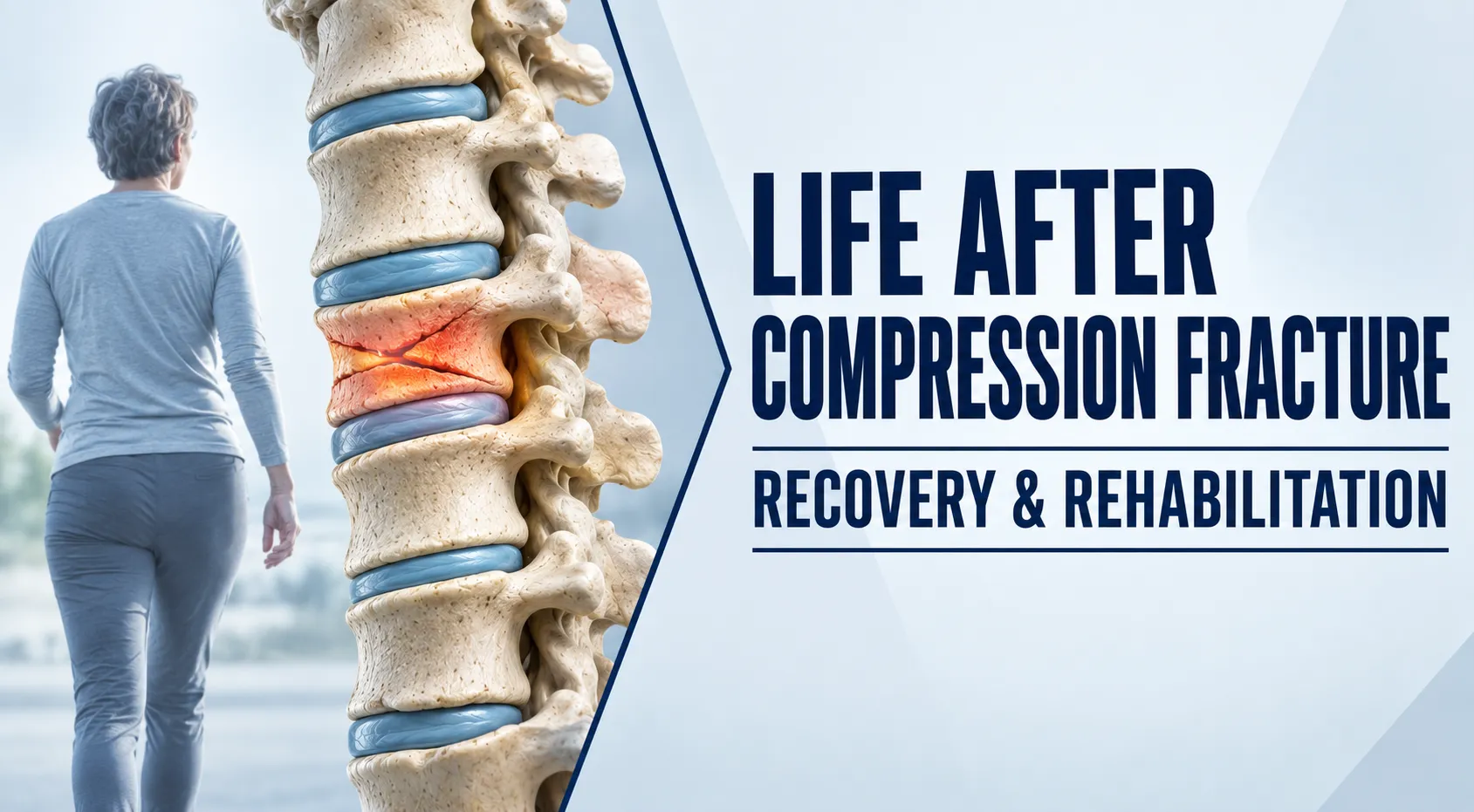

A spinal compression fracture can be a significant interruption to everyday life. Pain, reduced mobility, and concerns about movement can make ordinary activities like walking, sitting, working, or sleeping harder. For many people, however, recovery involves gradually returning to activity while addressing the fracture’s underlying cause and reducing the risk of further problems.
Life after a compression fracture is not necessarily about avoiding movement permanently. Once the fracture has been assessed and an appropriate treatment plan established, the focus usually shifts towards restoring mobility, rebuilding strength and confidence, and managing any ongoing symptoms.
Recovery is different for everyone. It depends on factors such as the fracture’s location and severity, its underlying cause, your general health, and whether other spinal conditions are present.
What Is a Spinal Compression Fracture?
A spinal compression fracture occurs when one of the vertebrae in the spine becomes compressed or collapses. Compression fractures most commonly affect the vertebrae in the thoracic or lumbar regions of the spine.
They can occur after significant trauma, such as a fall or road traffic accident. In some people, particularly those with reduced bone strength, a fracture can occur following a relatively minor injury or even during an everyday movement.
The effects can vary. Some people experience sudden back pain and difficulty moving, while others have less obvious symptoms.
The initial management of a compression fracture depends on its cause, severity and whether there is any involvement of the spinal nerves or spinal cord. Once the acute problem has been assessed, attention can turn to recovery and safely returning to normal activities.
What Does Life After a Compression Fracture Look Like?
The period after a compression fracture can involve several stages rather than a single, clearly defined recovery point.
Initially, pain and restricted movement may make normal activities difficult. As symptoms improve, people can usually gradually increase activity based on their clinical advice.
The longer-term goals may include:
- Reducing or managing back pain
- Improving mobility
- Returning to normal daily activities
- Rebuilding strength and physical confidence
- Addressing factors that contributed to the fracture
- Reducing the risk of another fracture where appropriate
Recovery does not necessarily mean that every person will become completely symptom-free. Some people may experience persistent discomfort or changes in posture after a vertebral fracture. Persistent or worsening symptoms should be assessed rather than simply assumed to be part of normal recovery.
How Long Does Recovery From a Compression Fracture Take?
There is no single recovery time that applies to everyone with a spinal compression fracture.
The timeframe can depend on:
- The severity and location of the fracture
- Whether the fracture is stable
- The cause of the fracture
- Bone health
- Age and general health
- Other spinal conditions
- The treatment provided
- How recovery progresses over time
Pain and mobility often improve progressively rather than immediately. Your healthcare professional can provide more specific guidance based on the characteristics of your fracture.
It is important not to judge recovery solely by pain levels. Improvements in mobility, function and confidence can also be important signs of progress.
Returning to Everyday Activities
After a compression fracture, it’s understandable to worry about whether normal movements are safe.
In general, recovery should involve a gradual return to appropriate activity rather than prolonged inactivity unless your treating clinician has advised otherwise.
Simple activities such as walking can form part of rehabilitation when they are appropriate for the individual. Activity can then be progressed based on symptoms, healing, and professional advice.
You may initially need to modify activities that involve significant bending, twisting, lifting or impact. The exact restrictions depend on the fracture and treatment, so no universal list of movements applies to everyone with a compression fracture.
Walking After a Compression Fracture
Walking can help maintain mobility and prevent excessive deconditioning during recovery, provided it suits your injury.
You may need to begin with short, manageable periods and gradually increase your walking as your symptoms allow.
If walking causes significant or progressively worsening pain, weakness, numbness or other concerning symptoms, seek medical advice.
Bending and Lifting
Bending and lifting can place additional loads on the spine. During the early stages of recovery, your clinician may recommend modifying these activities.
When you are ready to resume lifting, safe technique and gradual progression are important. Avoid suddenly returning to heavy lifting after a period of inactivity.
Your specific restrictions should come from the healthcare professional managing your fracture.
Returning to Work After a Compression Fracture
Whether and when you can return to work depends largely on the nature of your job and how your recovery is progressing.
Someone with a desk-based role may have different requirements from someone whose work involves:
- Heavy lifting
- Repeated bending
- Manual handling
- Prolonged standing
- Driving
- Physically demanding tasks
A gradual return or temporary modification of duties may sometimes be appropriate.
For example, adjustments could involve reducing heavy lifting, changing working positions regularly or temporarily reducing physically demanding tasks.
Base your return to work on your clinical situation and job requirements rather than a fixed number of days or weeks.
Sleeping After a Compression Fracture
Back pain can make it hard to find a comfortable sleeping position.
There is no single sleeping position that is appropriate for everyone. The priority is to find a position that is comfortable and does not significantly aggravate your symptoms.
Some people find that supporting the body with pillows can make certain positions more comfortable. Changing position carefully and avoiding sudden twisting movements may also make getting in and out of bed easier during the early stages of recovery.
If pain is consistently preventing sleep or is becoming worse at night, discuss this with your healthcare professional.
Physiotherapy After a Compression Fracture
Physiotherapy may form part of rehabilitation once it is considered appropriate for the fracture and its stage of healing.
The programme should be individualised rather than based on a standard set of exercises for everyone.
Depending on your circumstances, rehabilitation may focus on:
- Maintaining or improving mobility
- Gradually rebuilding strength
- Improving physical function
- Developing confidence with movement
- Supporting a safe return to everyday activities
Exercises should be introduced at an appropriate stage and progressed according to your clinical assessment.
If the fracture occurred in the context of reduced bone strength, rehabilitation may also need to take this into account.
What If Back Pain Continues After the Fracture?
Some people continue to experience back discomfort after the initial fracture has healed.
Persistent pain does not necessarily mean that the fracture has failed to heal, but it should not automatically be attributed to the previous fracture either.
Ongoing symptoms can have different causes, including changes associated with the fracture itself or another spinal condition.
Further assessment may be appropriate when pain:
- Does not improve as expected
- Becomes progressively worse
- Significantly limits everyday activities
- Is associated with new neurological symptoms
- Returns after a period of improvement
Your clinician can determine whether further examination or imaging is appropriate.
Can a Compression Fracture Change Your Posture?
A vertebral compression fracture can sometimes alter the shape of the affected vertebra. Depending on the number and location of fractures, this can change spinal alignment and posture.
Some people notice that they appear more stooped or that their usual posture has changed.
Postural changes can also affect how someone moves and performs everyday activities. If you notice a significant change in posture after a compression fracture, discuss it with your healthcare professional.
Preventing Further Compression Fractures
One important part of life after a compression fracture is understanding why it happened.
A fracture caused by significant trauma has different implications from a fracture occurring after relatively minor trauma in someone with reduced bone strength.
When reduced bone strength is suspected, assessing and managing bone health can help reduce future fracture risk.
This can involve discussing factors such as:
- Bone health
- Previous fractures
- Nutrition
- Physical activity
- Falls risk
- Medications and other health factors
The appropriate approach depends on the individual’s circumstances.
Maintaining Spinal Health After a Compression Fracture
Once your clinician confirms you can safely increase activity, maintaining an appropriate level of physical activity can be an important part of long-term spinal health.
Rather than avoiding movement for fear of damaging the spine again, the aim is usually to build appropriate strength, mobility, and confidence.
Healthy lifestyle habits can also support general musculoskeletal health. These may include maintaining an appropriate body weight, staying physically active and avoiding smoking.
However, lifestyle measures do not replace assessment and treatment of an underlying bone or spinal condition.
When Should You Seek Medical Advice?
A compression fracture should be medically assessed, particularly when it follows significant trauma or occurs after relatively minor trauma in a person who may have reduced bone strength.
After treatment, seek further medical advice if you develop new or worsening symptoms such as:
- Increasing or severe back pain
- New numbness or tingling
- New weakness in the legs
- Difficulty walking
- Changes in bladder or bowel control
- Numbness around the genital or anal area
- Symptoms following another significant injury
These symptoms can require prompt assessment because they may indicate a more serious spinal or neurological problem.
If you are recovering from a compression fracture and your symptoms are not progressing as expected, a clinical review can help determine whether further assessment is needed.
Life After a Compression Fracture: The Importance of Individualised Recovery
Recovering from a spinal compression fracture is not simply about waiting for pain to disappear.
The longer-term process may involve gradually returning to everyday activities, rebuilding physical capacity, addressing the cause of the fracture, and monitoring any persistent symptoms.
There is no universal recovery programme. The appropriate level of activity, restrictions and rehabilitation depends on the individual fracture and the person’s overall health.
If back pain, reduced mobility, or neurological symptoms persist after a compression fracture, a professional assessment can help determine whether further treatment or investigation is appropriate.
Conclusion
Life after a compression fracture can involve a gradual return to movement, work and everyday activities. Recovery varies considerably depending on the fracture, its underlying cause and the individual’s health.
The key is to avoid both extremes: returning to demanding activities too quickly or unnecessarily avoiding movement for prolonged periods. Appropriate clinical guidance can help determine when and how activity should be increased.
Persistent pain, changes in posture or new neurological symptoms should not simply be dismissed as part of recovery. They may warrant further assessment.
If you have ongoing back pain or other symptoms following a spinal compression fracture, Mr Prasad Karpe, Consultant Spinal Surgeon, can assess your symptoms and clinical history and advise whether further investigation or treatment is appropriate.
Professional assessment is particularly important when symptoms persist, worsen or are accompanied by neurological changes.
Disclaimer
This article is for informational purposes only and does not replace professional medical advice, diagnosis, or treatment. Disability status and treatment recommendations depend on individual medical assessment and symptom severity.