
Back Pain During Pregnancy: Causes, What Can Help and When to Seek Advice
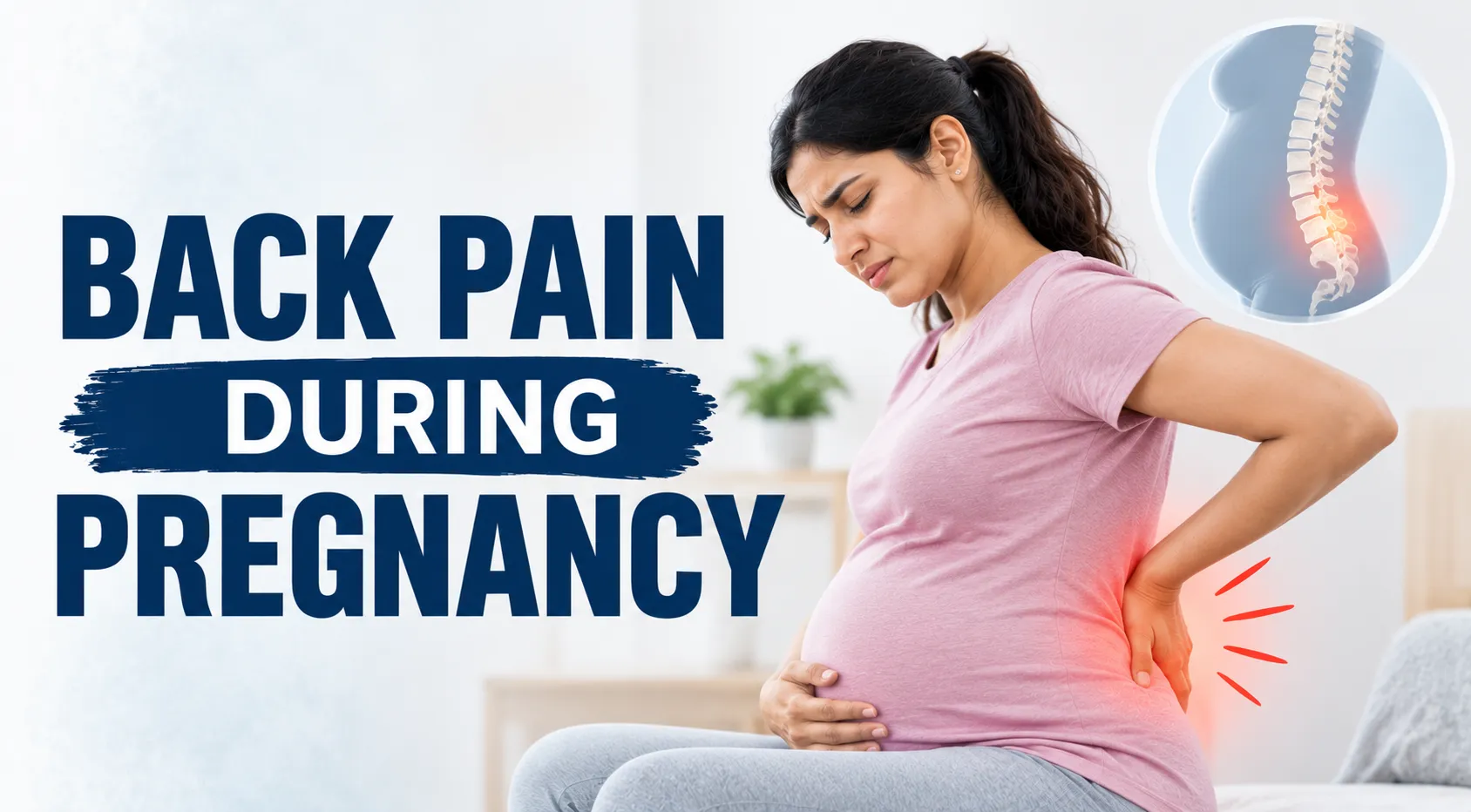

Back pain is one of the most common symptoms in pregnancy. It can start early or appear later as the pregnancy progresses, and it ranges from a mild ache to pain that interferes with sleep, work and daily activity. In most cases it is related to the physical and hormonal changes of pregnancy and settles after birth. Sometimes, though, it signals a problem that needs assessment. This article explains why back pain happens in pregnancy, what commonly helps, which symptoms are warning signs, and when to seek specialist spine advice.
Why Does Back Pain Happen in Pregnancy?
Several changes occur together during pregnancy, and more than one may contribute at the same time.
Hormonal Changes
During pregnancy, hormonal changes occur, including changes in relaxin levels
Hormonal changes may influence connective tissues and pelvic joint function. However, pregnancy-related back and pelvic girdle pain is multifactorial, and research has not established a consistent relationship between circulating relaxin levels and the severity of pain. Changes in movement, muscle function and mechanical loading may also contribute.
Posture and weight gain
As the uterus grows, the centre of gravity may shift forwards and posture can change.
These changes, together with increasing body weight and altered movement patterns, may contribute to back discomfort. However, posture alone does not reliably predict who will develop back pain during pregnancy.
Abdominal Muscles
The abdominal muscles stretch as the pregnancy progresses and may provide less support for the spine.
Muscle Fatigue and Tension
The back muscles work harder to support the changing posture. Tiredness, prolonged standing or sitting, and lifting can add to muscle strain.
Stress and Poor Sleep
Stress can increase muscle tension, and disturbed sleep may make pain feel worse.
Previous Back Problems
Women who have had back pain before pregnancy, or who have had back pain in an earlier pregnancy, are more likely to have it again. Having had a previous spinal condition does not mean a problem will develop, but it is worth telling your midwife or doctor.
Types of Back Pain in Pregnancy
Back pain in pregnancy is not one single condition. Two patterns are commonly described:
- Lumbar (lower back) pain. Felt in the area around the waistline and above, and often similar to the pain experienced outside pregnancy. It may be worse after standing for long periods or at the end of the day.
- Pelvic girdle pain. Felt deeper in the buttocks, at the back of the pelvis, over the sacroiliac joints, or at the pubic bone at the front. It may be worse with walking, climbing stairs, turning over in bed, or standing on one leg. See sacroiliac joint pain.
Some women have both. Pain at the very base of the spine can also occur; see coccyx pain.
What Are the Causes of Back Spasms During Pregnancy?
A back spasm is a sudden, involuntary tightening of the muscles, which can be painful and may make movement difficult. In pregnancy, possible contributors include:
- Muscle fatigue and overload from changes in posture and the extra weight carried
- Sudden or awkward movements, such as bending, twisting or lifting
- Staying in one position for a long time, including sitting, standing or sleeping positions
- Reduced support from the abdominal and pelvic muscles
- Joint irritation in the lower back or pelvis, which can lead to protective tightening of the muscles around it
Spasms that are severe, come in a regular pattern like waves, or come with other symptoms should not be assumed to be muscular. See the warning signs below.
What Helps Back Pain While Pregnant?
For most women, simple measures are the first approach. If you are unsure about anything here, check with your midwife, GP or a physiotherapist who has experience in pregnancy.
Posture and Everyday Movement
Stand tall with your weight evenly spread, and avoid standing for long periods without a break
Sit with your lower back supported, for example with a small cushion or rolled towel
Change position often, rather than staying in one position for a long time
Bend at the knees and hips rather than from the waist when picking something up, and keep the load close to the body
Avoid heavy lifting where possible, and ask for help with tasks such as carrying shopping
Turn by moving your feet rather than twisting your spine
Sleeping Comfort
Lying on your side with a pillow between the knees may be more comfortable
A pillow under the bump or a longer body pillow may help with support
Roll onto your side in one piece, keeping the knees together, to turn over in bed
Keeping Active
Remaining physically active during an uncomplicated pregnancy is generally safe and beneficial. Walking, swimming and pregnancy-appropriate strengthening exercises may help maintain function and reduce discomfort.
Exercise should be adapted to the stage of pregnancy, previous activity levels and any obstetric complications. A physiotherapist experienced in pregnancy-related musculoskeletal conditions can provide an individualised programme.
Heat, Support and Massage
A warm (not hot) bath or a warm compress on the back may relieve discomfort. Avoid very hot baths and check that heat packs are not too hot.
A maternity support belt may help some women, particularly with pelvic girdle pain. Some find it helpful and some do not, and a physiotherapist can advise.
Massage from a therapist trained in pregnancy massage may provide short-term relief for some women.
Footwear
Supportive, comfortable shoes are generally advised over high heels.
Pain Relief
Medication in pregnancy needs particular care. Do not take any painkillers, including over-the-counter ones, without checking with your midwife, GP, or pharmacist first. Some medicines commonly used for back pain are not recommended during pregnancy, and what is suitable depends on the stage of pregnancy and your own health.
Physiotherapy
Many maternity services offer referral to a physiotherapist for back and pelvic girdle pain.
Physiotherapy is an important part of managing persistent pregnancy-related back or pelvic girdle pain. Treatment may include education, individualised exercises, activity modification and strategies to improve mobility and daily function.
For pelvic girdle pain, physiotherapy may also include advice about movement patterns, pelvic support belts and mobility aids where appropriate. The response to treatment varies, and no single exercise programme is effective for everyone.
What Stretches Can Help With Lower Back Pain During Pregnancy?
The movements below are commonly suggested for pregnancy-related back discomfort. They are general examples, not a prescription, so discuss them with your midwife or a physiotherapist before starting, particularly if you have any complications. Move slowly, stay within comfortable limits and stop if a movement causes pain, dizziness, bleeding or any other unusual symptom.
- Pelvic tilts. Standing against a wall, or on hands and knees, gently rock the pelvis to flatten and then slightly arch the lower back.
- Cat-camel. On hands and knees, slowly round the back upwards and then lower it, moving through a comfortable range.
- Seated or standing side bends. Gentle movement to one side and then the other, without twisting.
- Modified child’s pose. Kneeling with the knees apart to make room for the bump, and sitting back towards the heels with the arms forward, supported by cushions if needed.
- Gentle hip and glute stretches. For example, a seated figure-four stretch in a chair.
From 28 weeks of pregnancy, NHS advice recommends going to sleep on your side rather than on your back, because going to sleep supine is associated with an increased risk of stillbirth. Either the left or right side is acceptable. If you wake on your back, simply turn onto your side before returning to sleep.
What Are the Warning Signs of a Possible Problem During Pregnancy?
Most back pain in pregnancy is not dangerous, but some symptoms need prompt assessment.
Call 999 immediately if:
- There is sudden severe difficulty breathing, chest pain with breathlessness, collapse or a seizure.
- There is sudden paralysis or rapidly progressive severe weakness of the legs.
- There is life-threatening bleeding or another immediately life-threatening emergency.
Contact your maternity unit immediately if:
- There is vaginal bleeding or suspected leakage of amniotic fluid.
- There are regular contractions, abdominal tightening or back pain suggestive of premature labour.
- Your baby’s movements have reduced or changed from their usual pattern.
- There is a severe headache, visual disturbance or sudden swelling suggesting possible pre-eclampsia.
- There is severe or persistent abdominal pain.
Suspected deep vein thrombosis, such as new one-sided calf swelling, pain, warmth or redness, requires urgent same-day medical assessment. Do not wait for a routine appointment.
If symptoms are severe or rapidly worsening, or you cannot obtain urgent assessment, emergency services may be necessary.
Spine-Specific Warning Signs
Some symptoms suggest that a nerve is being compressed, and they need urgent medical assessment:
- Numbness around the genitals, buttocks or inner thighs
- New difficulty starting urination, inability to pass urine, loss of normal bladder sensation, or new loss of bladder or bowel control.
- New weakness or numbness in one or both legs, or a leg that gives way
- Severe back pain after a fall or injury
New numbness or altered sensation around the genitals, anus or inner thighs (saddle sensory disturbance), particularly when associated with bladder symptoms or leg weakness, may indicate cauda equina syndrome.These symptoms require immediate emergency assessment, even during pregnancy. Do not wait for a routine spine clinic appointment.
When Back Pain May Be More Than Pregnancy Strain
Sometimes back or leg pain in pregnancy has a spinal cause that is not directly related to the pregnancy itself.
- Disc prolapse. Pain that travels down the leg, with or without tingling or numbness, may be related to irritation of a nerve root. See lumbar disc prolapse and leg pain (sciatica). Sciatica-type pain can occur in pregnancy and often settles after birth, but persistent or worsening symptoms need assessment.
- Spondylolisthesis. A pre-existing slip of one vertebra over another may become more symptomatic in pregnancy. See spondylolisthesis.
- Sacroiliac joint problems. These are discussed above.
- Other causes. Infection, kidney problems, and conditions unrelated to the spine can also present as back pain.
How Is Back Pain in Pregnancy Assessed?
Assessment normally begins with a discussion of when the pain started, where it is felt, what makes it better or worse, and whether you have any other symptoms. A physical examination looks at posture, movement, tenderness and, where needed, strength, sensation and reflexes in the legs.
Scans are not usually needed. If imaging is considered necessary, for example when there are signs of nerve compression, the choice of test is made with care. MRI does not use ionising radiation and is generally preferred over X-ray or CT in pregnancy, but any decision is made individually, with obstetric advice.
Does Back Pain Go Away After Pregnancy?
For many women, back and pelvic pain settles within weeks to months after the baby is born as hormone levels return to normal and the body recovers. In some women symptoms continue for longer. Pain that lasts or worsens after the postnatal period is worth having assessed. Postnatal physiotherapy is often available through the NHS and may help with recovery.
When Should You See a Spine Specialist?
In most cases, your midwife, GP or a physiotherapist is the right first point of contact. Consider a spine specialist assessment if:
- Pain continues for months after birth or is getting worse
- Pain spreads into the leg, or you have tingling, numbness or weakness
- You have a known spinal condition, such as a disc problem or scoliosis, and want advice on how it may be affected by pregnancy or has changed since
- Pain is disrupting sleep, work or daily life and has not improved with other measures
Mr Prasad Karpe is a consultant spine surgeon who assesses back conditions in adults. You can read more about back pain or contact the clinic to arrange a consultation.
Frequently Asked Questions
When does back pain usually start in pregnancy?
It can begin at any stage. Many women notice it between about the fifth and seventh month, but it can start in the first trimester.
Is back pain in early pregnancy normal?
It can be. Hormonal changes affect the ligaments from early in pregnancy. If it is severe, one-sided, or comes with bleeding or cramping, contact your midwife or GP promptly.
Is back pain in pregnancy a sign of labour?
It can be. Back pain that comes and goes in a regular pattern, gets stronger and more frequent, and comes with tightenings in the abdomen may be a sign of labour. If this happens before 37 weeks, contact your maternity unit immediately.
Is sciatica common in pregnancy?
Pain that travels from the lower back or buttock into the leg is reported by some women during pregnancy. It may have several causes, and a physiotherapist or doctor can help work out what is responsible.
Can I have a scan for back pain when pregnant?
Scans are only used when there is a clear reason. MRI is generally preferred over X-ray or CT if imaging is needed, and the decision is made with your maternity team.
Can back pain in pregnancy be prevented?
There is no guaranteed way to prevent it. Staying active within advised limits, maintaining good posture, and avoiding heavy lifting are commonly recommended measures.
Will I need surgery for back pain related to pregnancy?
Surgery is very rarely required for ordinary pregnancy-related back or pelvic girdle pain.
However, urgent spinal surgery may be necessary in exceptional circumstances, such as cauda equina syndrome or progressive neurological deficit caused by significant nerve compression. In these situations, surgery should not automatically be delayed until after delivery.
Decisions require multidisciplinary assessment involving spinal surgery, obstetrics and anaesthesia, taking into account maternal neurological function and fetal wellbeing.
References
- NHS — Pelvic pain in pregnancy
- RCOG — Pelvic girdle pain and pregnancy
- NICE NG201 — Antenatal care
- NICE NG59 — Low back pain and sciatica in over 16s — general spinal guidance, not pregnancy-specific.
- NHS — Paracetamol in pregnancy
Disclaimer
This article is for general information only and does not replace medical advice. If you are concerned about your symptoms, speak to a healthcare professional.