
Can You Work With a Disc Problem?
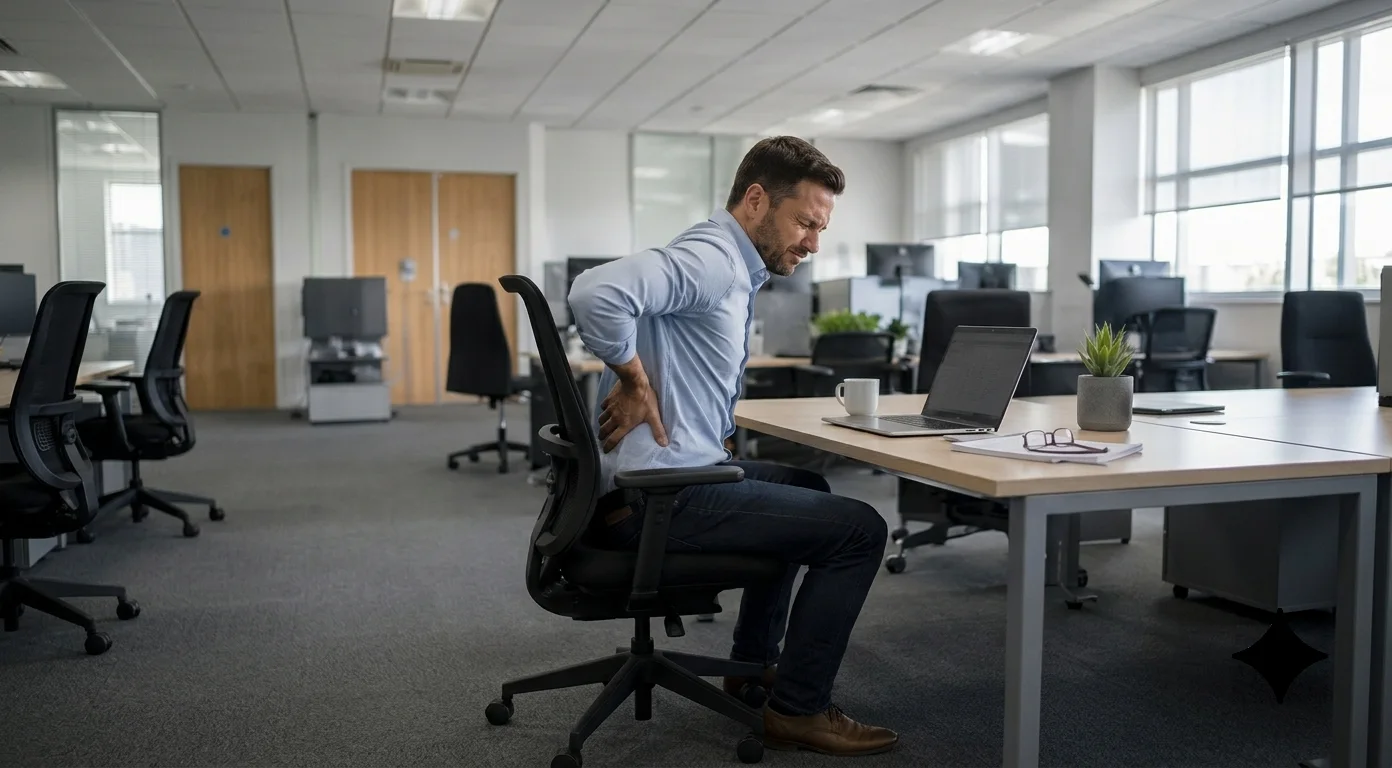

A disc problem is a common spinal condition that may cause lower back pain, neck pain, stiffness, or nerve symptoms such as tingling and numbness. Many people diagnosed with this condition ask, “Can you work with a disc problem?” because symptoms can sometimes interfere with daily activities and job responsibilities.
In many cases, people can continue working with a disc problem, especially if symptoms are mild and activities are modified appropriately. However, certain movements and physically demanding jobs may worsen pain or increase strain on the spine.
This guide explains whether you can work with a disc problem, which activities may aggravate symptoms, and when medical advice may be necessary.
What Is a disc problem?
The spine contains soft discs that act as cushions between the vertebrae. A disc problem occurs when part of the disc pushes outward beyond its normal position.
Disc problems commonly affect:
- The lower back (lumbar spine)
- The neck (cervical spine)
Some people have no symptoms, while others may experience:
- Back pain
- Neck pain
- Leg pain
- Arm pain
- Tingling
- Numbness
- Muscle weakness
Symptoms depend on whether nearby nerves become irritated or compressed.
Can You Work With a disc problem?
Many people can continue working with a disc problem, depending on:
- Symptom severity
- Type of work
- Spinal movements involved
- Presence of nerve symptoms
- Pain levels
People searching “can you work with a disc problem” are often concerned about whether work activities may worsen their condition.
In some cases, simple adjustments to posture, lifting technique, or work setup may help reduce strain on the spine.
Jobs That May Be More Difficult With a disc problem
Certain jobs may place additional pressure on the spine and worsen symptoms in some individuals.
Physically Demanding Jobs
Jobs involving:
- Heavy lifting
- Repetitive bending
- Twisting
- Carrying heavy objects
- Prolonged standing
People with severe symptoms may find physically demanding work more difficult during flare-ups.
Desk Jobs and Sitting for Long Periods
Sitting for prolonged periods may also aggravate back pain in some individuals.
Poor posture while sitting can increase pressure on spinal discs and surrounding muscles.
People searching “can you work with a disc problem” often notice symptoms worsening after:
- Long office hours
- Driving
- Poor chair support
- Limited movement breaks
Using ergonomic support and regular movement may help improve comfort.
Can a disc problem Cause Nerve Symptoms?
Yes. If the disc problem presses on nearby nerves, symptoms may include:
- Tingling
- Numbness
- Burning pain
- Leg pain
- Arm pain
- Muscle weakness
Lumbar disc problems may sometimes cause sciatica symptoms that travel down the leg.
Cervical disc problems may affect the shoulders, arms, or hands.
Activities That May Worsen a disc problem
Certain movements may place extra stress on the spine.
These may include:
- Heavy lifting
- Sudden twisting
- Deep forward bending
- Poor lifting technique
- High-impact activities
People asking “can you work with a disc problem” are often advised to avoid activities that significantly worsen symptoms.
Movements should remain controlled and comfortable rather than painful.
Can Walking Help a disc problem?
Gentle walking may help some people improve mobility and reduce stiffness.
Walking is considered a low-impact activity and may help:
- Encourage movement
- Improve circulation
- Reduce muscle tightness
- Support flexibility
However, severe symptoms should still be medically assessed.
Can You Exercise With a disc problem?
Many people with mild symptoms can remain active with suitable exercises.
Low-impact activities may include:
- Walking
- Swimming
- Gentle stretching
- Physiotherapy exercises
- Core stability exercises
Exercise plans should be adjusted according to symptoms and medical advice.
How to Make Work More Comfortable With a disc problem
Simple workplace adjustments may help reduce strain on the spine.
Helpful tips include:
- Maintain good posture
- Avoid prolonged sitting
- Take movement breaks
- Lift carefully
- Use supportive seating
- Avoid sudden twisting movements
Some individuals may benefit from temporary work modifications during painful flare-ups.
When Should You See a Doctor?
Medical assessment is important if symptoms include:
- Severe pain
- Leg weakness
- Arm weakness
- Worsening numbness
- Difficulty walking
- Loss of bladder or bowel control
Persistent or worsening nerve symptoms may require further spinal evaluation.
Can a disc problem Heal?
Some disc problem symptoms may improve over time with:
- Activity modification
- Physiotherapy
- Exercise
- Pain management
- Lifestyle adjustments
Recovery varies depending on the severity of the condition and individual health factors.
Mr Prasad Karpe
Specialising in cervical radiculopathy, slipped discs, spinal stenosis, and minimally invasive spinal surgery across the North East of England.
This article is for informational purposes only and does not replace professional medical advice, diagnosis, or treatment. Work ability and activity recommendations vary depending on the severity of symptoms and the underlying spinal condition.