
Stress and Back Pain: Can Stress Really Cause Back Pain?
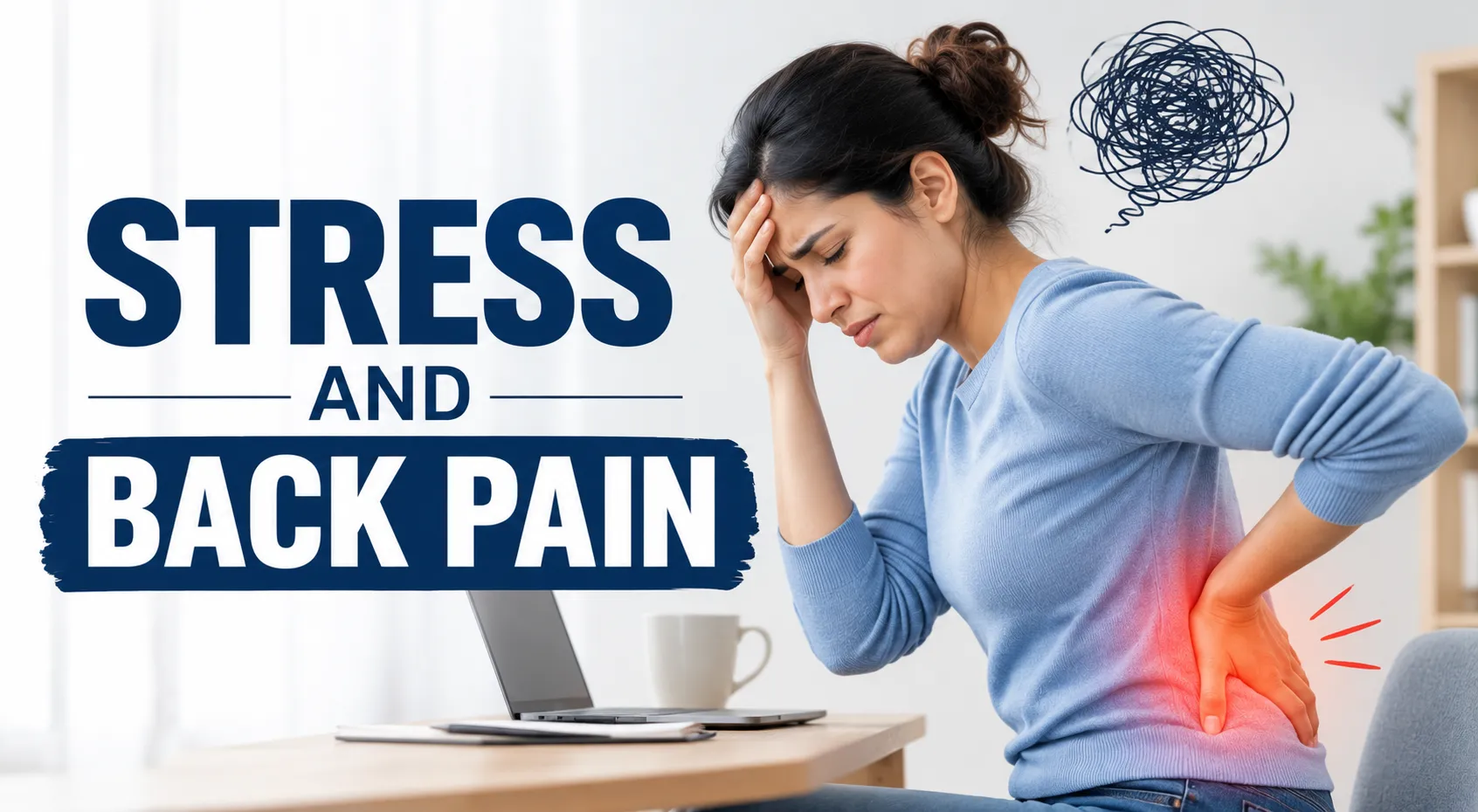

Many people notice their back feels worse during stressful periods, such as a work deadline, a family worry, or poor sleep. This raises a common question: can stress really cause back pain?
Research suggests that stress is associated with back pain and can influence how pain is felt and how long it lasts. However, this relationship is complex and often works in both directions: stress can worsen pain, while persistent pain can itself increase stress.
It does not mean the pain is imaginary. This article explains how stress and back pain may be connected, what the symptoms can look like, what commonly helps, and which signs mean you should seek medical advice.
Can Stress Cause Back Pain?
Stress can contribute to back pain, but it is rarely the only factor. Back pain usually has several influences at once, including the condition of the muscles, joints and discs, activity levels, sleep, general health and emotional wellbeing. Stress is one of the factors that may increase the likelihood of pain, make existing pain feel worse, or make it last longer.
It is important to be clear about two points:
- Stress-related pain is real pain. Pain influenced by stress is felt in the body in the same way as any other pain. It is not “all in the mind”.
- Stress does not rule out a physical cause. Someone under stress can also have a disc problem, joint irritation or another spinal condition. Both can be present together.
How Might Stress Affect the Back?
Muscle Tension
When people feel stressed or anxious, they may notice increased muscle tension or a feeling of tightness in the neck, shoulders and back. Muscle tension may contribute to discomfort in some people, although it is not the only explanation for stress-associated back pain.. Pain from this is often described as an ache, stiffness or tightness, and it may be tender to touch.
The Body’s Stress Response
Stress activates the body’s stress response, which involves such as adrenaline and cortisol and changes in the nervous system. In the short term this prepares the body for action. When stress is prolonged,
changes in the body’s stress-response systems may influence pain sensitivity, sleep and emotional wellbeing.
The relationship between stress hormones, inflammation and persistent back pain is complex, and no single hormonal or inflammatory mechanism explains most cases.
Changes in How the Nervous System Processes Pain
Pain is not just a signal from the tissues. Pain is produced through complex interactions between sensory signals, the nervous system and a person’s physical, psychological and social circumstances. The brain and spinal cord process and modulate pain signals, which can influence pain intensity.
Poor Sleep
Stress often disrupts sleep, and poor sleep is associated with higher pain sensitivity and lower tolerance for discomfort. Pain can also make it harder to sleep, which can create a cycle.
Changes in Posture and Movement
Stress may influence daily movement and activity patterns. Some people become less active, spend longer sitting or avoid movements they associate with pain.
There is no single ideal posture that prevents back pain, and ordinary variations in sitting or standing posture should not automatically be regarded as harmful.
Changes in Daily Habits
Stress may affect routines such as exercise, eating, and taking breaks from sitting. Increased use of screens, longer working hours and less time outdoors can all affect the back.
Fear of Movement and Worry About Pain
Worry about back pain can lead to avoiding activity or becoming less confident about movement.In some people, fear of pain or injury can contribute to activity avoidance, reduced physical fitness and ongoing disability. Gradually returning to normal activity can help rebuild confidence.
What Does Stress-Related Back Pain Feel Like?
Stress does not produce a single pattern of pain. People commonly describe:
- A dull ache or tightness in the lower back, or between and above the shoulder blades
- Muscle stiffness, particularly on waking or after sitting
- Pain that varies with stress levels, and may be worse on busy or difficult days
- Pain that is felt on both sides rather than in one spot
- Neck and shoulder tension with headaches
- Tiredness, poor sleep or difficulty relaxing alongside the pain
There is no specific pattern of back pain that confirms stress as the cause. Pain location, severity and associated symptoms must be considered alongside the clinical history and examination.
However, sharp pain alone does not necessarily indicate nerve compression. Persistent or progressive neurological symptoms should be assessed by a healthcare professional.
Other Causes to Keep in Mind
Because stress and back pain often occur together, it is easy to assume that stress is the only cause. Other possible causes include:
- Muscle strain or ligament sprain. See back pain.
- Disc problems. See lumbar disc prolapse.
- Facet joint irritation or arthritis. See facet joint arthritis.
- Sacroiliac joint pain. See sacroiliac joint pain.
- Nerve root irritation (sciatica). See leg pain (sciatica).
- Spinal narrowing or slipped vertebrae. See lumbar canal stenosis and spondylolisthesis.
- Conditions outside the spine, such as kidney problems, gynaecological conditions or abdominal conditions, which can sometimes cause back pain.
Warning Signs: When to Seek Urgent Medical Help
Most episodes of back pain are not caused by a serious spinal condition. However, certain symptoms require urgent assessment and should not be attributed to stress.
Attend A&E immediately if you develop:
- New difficulty starting urination, inability to pass urine, loss of normal bladder sensation, or new loss of bladder or bowel control.
- New numbness or altered sensation around the genitals, anus or inner thighs (saddle sensory disturbance).
- New or rapidly worsening severe weakness in the legs, particularly when affecting both legs.
These symptoms may indicate cauda equina syndrome or another serious neurological condition.
Seek urgent medical advice for back pain associated with fever, significant trauma, unexplained weight loss, a history of cancer, or progressive neurological symptoms. The appropriate urgency depends on the overall clinical picture.
Call 999 for sudden severe back or chest pain accompanied by collapse, severe breathlessness or other signs of a life-threatening emergency.
What Can Help With Stress-Related Back Pain?
The approach usually combines looking after the back and looking after the stress. The measures below are general options. If you are unsure what is suitable for you, speak to your GP or a physiotherapist.
Stay Active
Exercise programmes may include aerobic activity, strengthening, mobility exercises or a combination, depending on individual needs and preferences. No single type of exercise is consistently superior for everyone, Prolonged bed rest is generally discouraged.
Move Regularly During the Day
If you sit for long periods, try changing position regularly and taking short movement breaks when practical. There is no proven ideal sitting posture or universally required interval between breaks.
Adjusting your workstation for comfort may help some people, but ergonomic changes alone are unlikely to resolve persistent back pain.
Relaxation and Breathing Techniques
Slow breathing, progressive muscle relaxation and mindfulness may help some people manage stress and improve their sense of wellbeing.
However, evidence for these approaches as standalone treatments for low back pain is variable. They are best considered complementary strategies alongside appropriate physical activity and clinical care.
Heat
A warm compress or a warm bath may help ease muscle tension for some people. Take care to avoid burns, and do not fall asleep on a heat pad.
Sleep
Regular sleep and wake times, a comfortable sleep position (for example, side-lying with a pillow between the knees, or on the back with a pillow under the knees), limiting screens before bed and reducing caffeine later in the day are commonly recommended. If sleep problems continue, speak to your GP.
Physiotherapy
A physiotherapist can assess your symptoms, movement, functional limitations and goals, and provide an individualised management programme.
Treatment may include progressive exercise, education, strategies to remain active and support for returning to normal activities.
Physiotherapy does not usually require correcting a supposedly abnormal posture or spinal alignment.
Talking Therapies
Cognitive behavioural therapy (CBT) and similar psychological approaches may help people manage persistent pain by addressing unhelpful beliefs, fear of movement, stress and the impact of pain on daily life.
For persistent low back pain, NICE recommends considering psychological therapies using a cognitive behavioural approach as part of a treatment package that includes exercise, particularly when psychosocial factors are barriers to recovery.
These approaches do not imply that pain is imaginary or solely psychological.
Pain Relief
Some people may benefit from short-term medication to help manage back pain.
For low back pain, NICE recommends considering oral non-steroidal anti-inflammatory drugs (NSAIDs) when appropriate, using the lowest effective dose for the shortest possible period and taking account of gastrointestinal, cardiovascular and kidney risks.
Paracetamol alone is not recommended by NICE as a treatment for low back pain. Opioids are not recommended for chronic low back pain.
Medication should be individualised, particularly for people with other medical conditions or those taking regular medicines.
Lifestyle Factors
Regular meals, limiting alcohol, not smoking, spending time outdoors and staying in touch with friends and family are all associated with better general health and may help with coping.
Talk About It
Talking about stress, with a friend, family member, colleague, GP or counsellor, can be a first step. If stress is related to work, speaking to your manager or occupational health team may be helpful.
How Is the Cause of Back Pain Assessed?
A clinician begins by asking about the pain, when it started, what makes it better or worse, and whether you have any other symptoms. They will usually ask about sleep, mood, stress, work and activity levels, since these can all influence back pain. The examination looks at movement, posture, tenderness, and nerve function (strength, sensation and reflexes).
Scans are not routinely needed for back pain that has features of a muscular or stress-related cause.
Most people with non-specific low back pain do not require routine imaging. NICE advises against routinely offering imaging in non-specialist settings. In specialist care, imaging should be considered when the result is likely to change management.
Urgent imaging may be required when there is clinical concern about cauda equina syndrome, infection, malignancy or another serious spinal condition.
Persistent pain alone does not automatically mean an MRI is necessary.
When Should You See a Spine Specialist?
For most people, a GP or physiotherapist is the first point of contact.
Consider a spine specialist assessment when symptoms remain significantly disabling despite appropriate non-surgical treatment, when there are progressive neurological symptoms, or when a specific spinal condition requiring specialist investigation or treatment is suspected.
Most episodes of non-specific back pain can initially be managed through primary care and physiotherapy.
Mr Prasad Karpe is a consultant spine surgeon who assesses back and neck conditions in adults and children. You can read more about back pain and neck pain, or contact the clinic to arrange a consultation.
Why Do Physical and Psychological Factors Both Matter?
Back pain is influenced by several interacting factors, sometimes described as the biopsychosocial model.
Biological factors include muscles, joints, discs, inflammation and nervous system function. Psychological factors may include stress, anxiety, sleep disturbance and beliefs about pain. Social factors include work demands, family responsibilities and access to support.
These factors can interact, meaning that pain may persist even when there is no single identifiable structural cause.
Understanding these influences helps clinicians develop an individualised treatment plan that addresses both symptoms and their impact on everyday life.
Frequently Asked Questions
Can anxiety cause back pain?
Anxiety is often associated with muscle tension and increased pain sensitivity, and may contribute to back pain. As with stress, it does not rule out other causes.
Where do you feel stress-related back pain?
Commonly in the lower back, or in the upper back and between the shoulder blades, often together with neck and shoulder tension. The pain pattern varies.
Can stress cause a slipped disc?
There is no clear evidence that stress directly causes a disc prolapse. Stress may affect how pain is felt, and may make existing symptoms seem worse.
Can stress cause sciatica?
Sciatica is caused by irritation of a nerve root, most often by a disc or spinal narrowing. Stress is not considered a direct cause, but it may influence how intense symptoms feel.
How long does stress-related back pain last?
It varies. Pain linked to muscle tension often eases over days to weeks as stress settles and activity resumes. Pain that lasts longer than a few weeks, or keeps coming back, is worth having assessed.
Does back pain from stress show up on a scan?
Usually not. Muscle tension and changes in pain sensitivity do not generally appear on X-rays or MRI. A normal scan does not mean the pain is not real.
Can back pain itself cause stress?
Yes. Ongoing pain can affect sleep, mood and daily life, which can increase stress. This is why treatment often looks at both.
Is it safe to exercise with stress-related back pain?
Gentle exercise is generally encouraged for most people with back pain. If you have warning signs, severe pain, or are unsure what is suitable, speak to a healthcare professional first.
References
- NICE NG59 — Low back pain and sciatica in over 16s. Principal UK guidance for assessment, imaging and management.
- WHO — Guideline for chronic primary low back pain in adults in primary and community care settings (2023). Supports a person-centred approach incorporating education, exercise and selected psychological interventions.
- International Association for the Study of Pain — Pain terminology. Supports the distinction between pain and tissue damage, and the influence of biological, psychological and social factors.
- NHS — Back pain. Patient-facing advice on remaining active, self-management and when to seek medical attention.
Disclaimer
This article is for general information only and does not replace medical advice. If you are concerned about your symptoms, speak to a healthcare professional.